

Every student wants study techniques that help them study more in less time. Reading books and sticking with books for the whole day is not called studying. The most important thing is to use the right techniques. Based on scientific research and advice from educational experts, there are effective methods that can make your study easier, memorable, and interesting. So, in this blog, we will learn about 10 effective and impressive techniques that will not only strengthen your memory power but also improve your learning. It will help you to increase your interest in studying.
Preparation is necessary before studying

There are some things we should do before studying, as they create the right environment and help us focus better.
- Get enough Sleep: It doesn’t matter for 1 or 2 days, but regularly 7-8 hours of sleep helps to boost your concentration and memory.
- Change your study seats: Every time you study in the same place, it makes you bored and lazy. Instead of staying in one place, try studying in different places like the library, park, balcony or cafe to stay focused and motivated.
- Listen to Slow or Lo-Fi Music: Try to listen to classical, Instrumental or Lo-Fi Music. Don’t listen Lyrical song that can distract you.
- Remove distractions: Keep your phone on silent, avoid using social media and shut your televisions and keep yourself asides from noise.
- Eat Smart snacks: Chocolate or Coffee can give you energy, but it gives you instant exhaustion. So, try to take smart snacks like: Apple, Nuts, sprouted grains, etc.
10 Proven Study Techniques:
Now we will know such 10 proven techniques that can help any student, whether they are in School, College or preparing for a Competitive exam.
- SQ3R Techniques: This technique will help you to read books

- S (Survey) – First, scan your chapter by looking at its title, headings, and charts.
- Q (Question) – Try to solve questions first, which will let you know how much you know about this chapter and what this chapter is about.
- R (Read) – Now read your chapter and find your question’s answers.
- R (Recite) – After reading, repeat yourself and understand.
- R (Review) – Now, review how much you know about this chapter. Solve those questions and test yourself.
- Retrieval Practice: It means whatever you studied. Now, make it memorable.

- Do Some Practice tests on this chapter.
- Create your own questions, because then you’ll know deeply, and also you’ll figure out new problems and can solve them.
- Spaced Practice: Study a little bit every day.
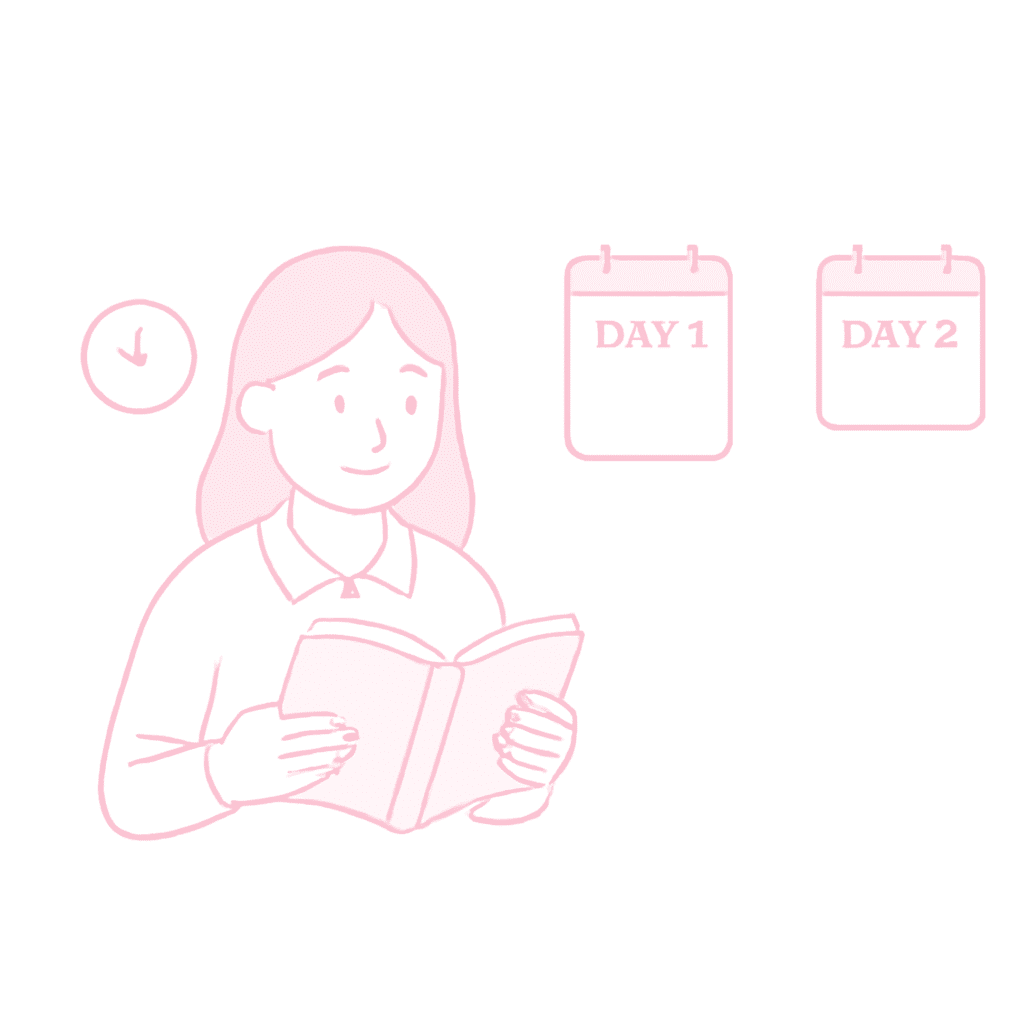
- Day 1: Read new topics
- Day 2 or 3: Revise it.
- Repeat this after one week.
- See once after two weeks
- PQ4R Technique: This technique is similar to SQ3R, but there are some differences in that there are 6 steps in this technique.

- P (Preview) – Scan first
- Q (Question) – Ask questions to yourself
- R (Read) – Now Read the chapter
- R (Reflect) – Now think about what you’ve understood
- R (Recite) – Revise
- R (Review) – Now, check yourself after solving the questions. How much do you learn?
Feynman Technique:

- If you want to understand any topic, then explain the topic to someone else and ask yourself Can I explain this topic to a 5-year-old child as well.
- Leitner System (Flashcard Technique): For revision, put the flashcards into 5 boxes, and ask yourself how many days after you will review them.
- Box 1: Everyday
- Box 2: After every 2 days
- Box 3: Every 4 days
- Box 4: Every 9 days
- Box 5: Every 14 days
- Sticky Notes: Making notes with colours improves your memory.
- Write main points in red ✎
- Highlight any topic in yellow ✎
- Keep separate colours for different topics
- Write only the necessary topics in notes
- Mind Mapping: Use a mapping system to avoid confusion, like keeping a topic in the centre and connecting all the main points related to it, like branches.
- Do some exercise before studying
- Revise your topic before going to sleep, as your brain absorbs knowledge more effectively when you are sleepy.
Read This Also: Ideal Morning Routine for College Students