

The process of learning is not limited to just reading books or listening to lectures. Our ability to learn depends on the way our brain works. The brain thinks mainly in two ways: focused thinking and diffuse thinking. Both have their own advantages and limitations. The question is, which one is better for learning? In this article, we will understand both types of thinking and know when and how to use which one during studies and learning.
What is Focused Thinking?
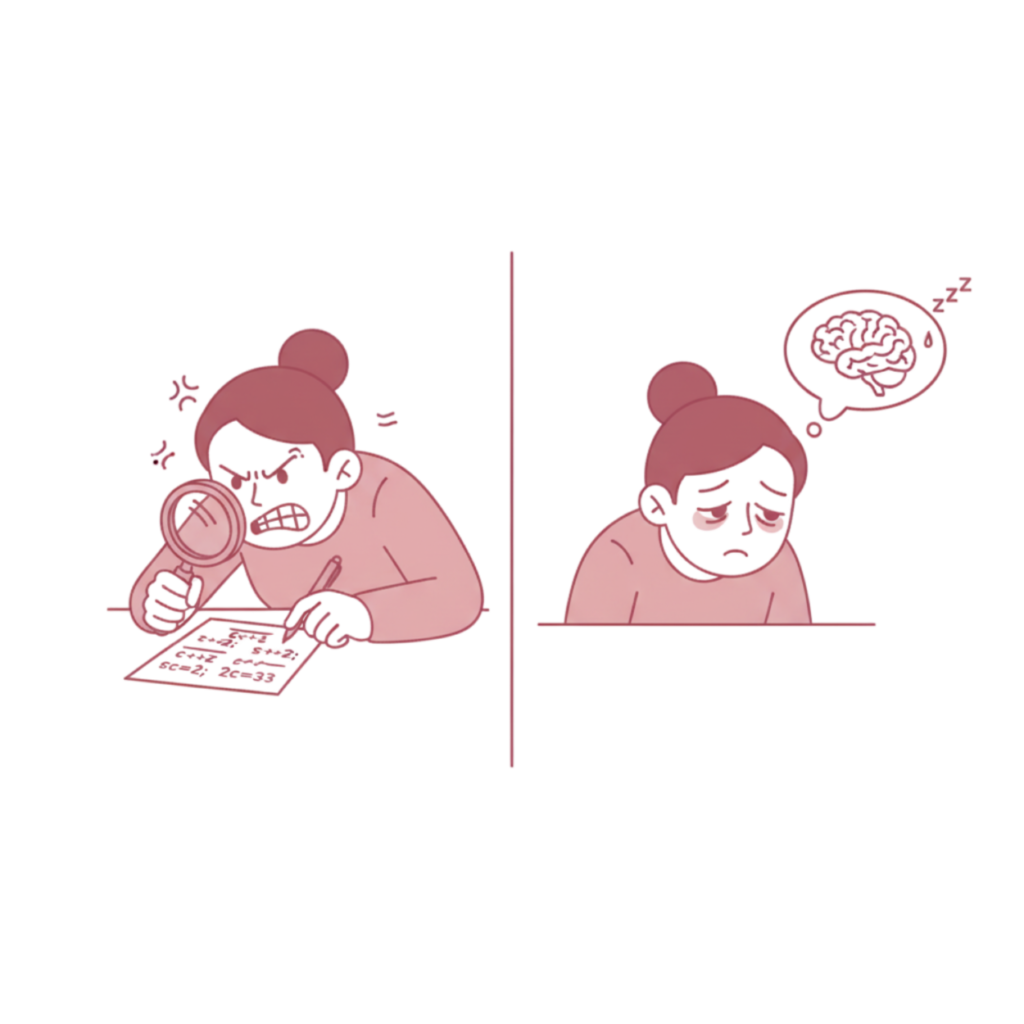
Focused thinking is a state when you focus on a problem or subject with full concentration. For example, when you are solving a difficult math problem or memorizing a formula, you are in Focused Mode. In this mode, the brain finds a solution using previously learned information and rules.
Its speciality is that you can quickly go deep and understand a subject. But its limitation is that if you remain in this mode for a long time, the brain may get tired and it may be difficult to find new ideas or creative solutions.
What is Diffuse Thinking?

Diffuse thinking is a state when your brain is relaxed and you are not directly focusing on a problem. For example, when you are walking, listening to music or taking a bath, suddenly a good idea comes to your mind, this is the result of diffuse thinking.
In this mode, the brain combines different information and experiences and finds new solutions. This is the reason that sometimes when you are unable to solve a question and leave it and take a break, then suddenly its answer comes to your mind.
Which is better – Focused or Diffuse?
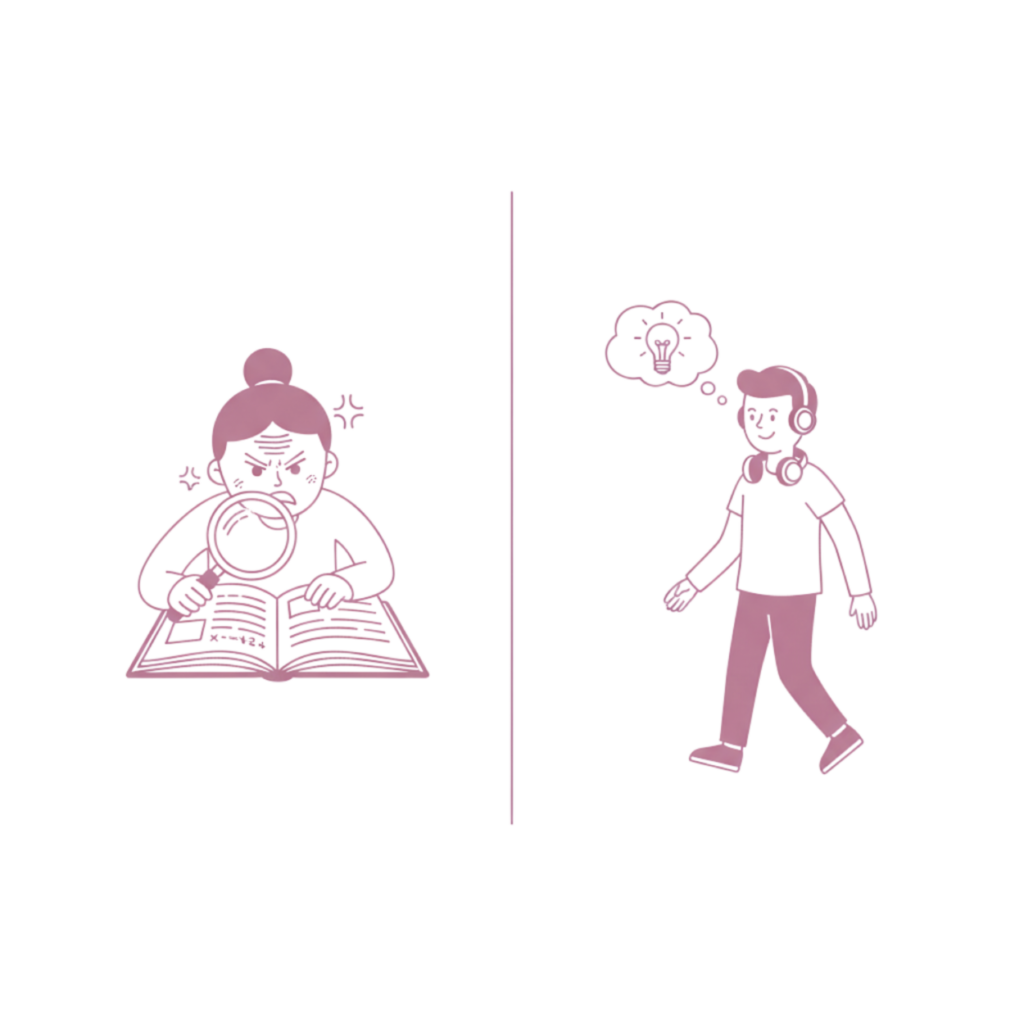
Actually, no one mode is enough for learning. Focused thinking helps you to understand and practice the subject in depth, while diffuse thinking helps you to think creatively and make new connections.
For example, if you are learning a new math concept, first practice with focused thinking. But if you get stuck on a difficult question, take a break and let diffuse thinking work. This balance is what gives the power of real learning.
How to balance both in studies?

- Use the Pomodoro Technique: do focused reading for 25 minutes and then take a 5-minute break. In this break, the brain goes into diffuse mode, and the information is processed better.
- Don’t consider breaks useless: walking, doing light exercise or listening to music actually helps in learning, as it gives the brain a chance to go into Diffuse Mode.
- Practice + Creativity: First, understand difficult concepts and questions with focused thinking, then find new angles and solutions with diffuse thinking.
- Importance of sleep: By getting adequate sleep, the brain organizes information in both modes. This is the reason why if you sleep after studying, you remember things more the next morning.
Examples in real life
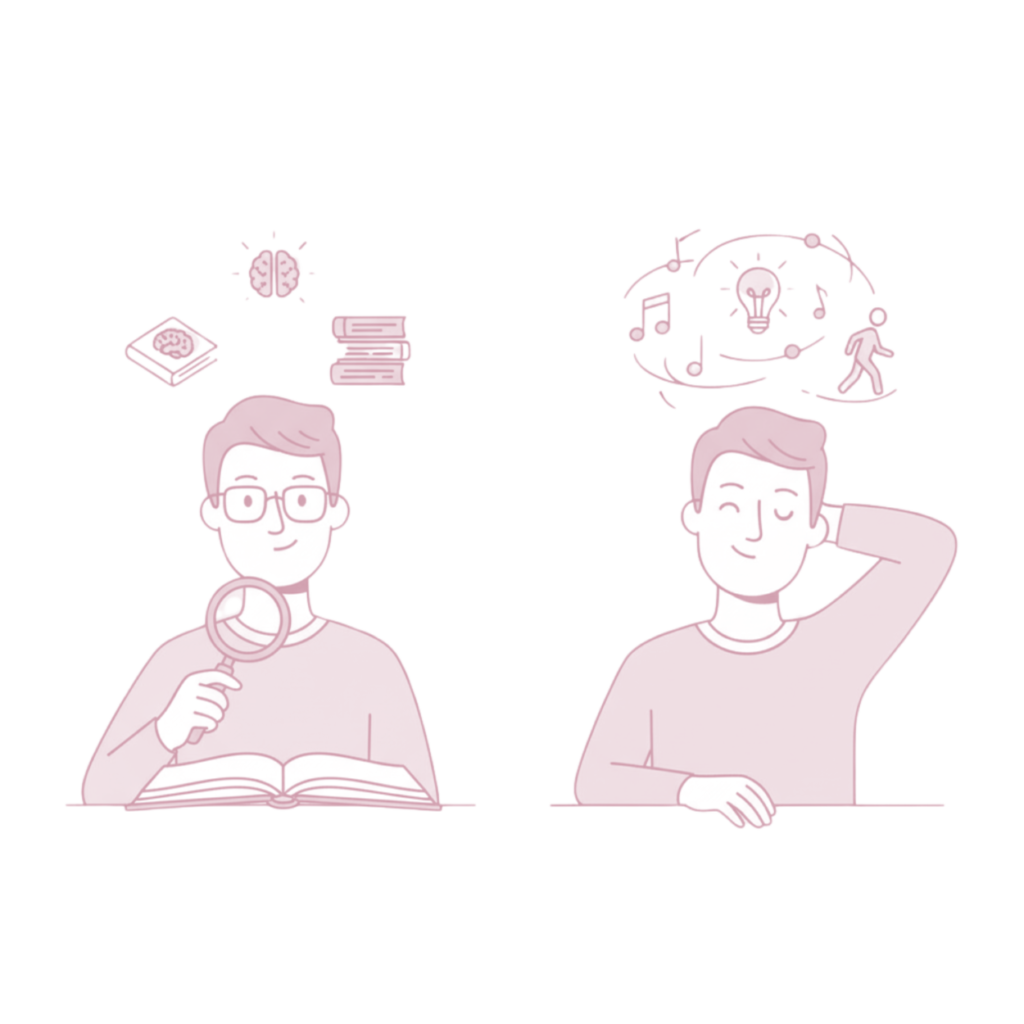
- Scientists: Any scientist first does research in depth (Focused Thinking), but sometimes he suddenly gets new ideas during breaks or holidays (Diffuse Thinking).
- Students: When students are unable to solve a question for a long time and then suddenly find a solution while playing or relaxing, then this is the effect of Diffuse Thinking.
- Creative professions: Artists and writers often say that the best ideas come when they are relaxing, not when they are trying to write with full force.
Both focused thinking and diffuse thinking are important in the learning process. With Focused Mode, you learn depth and discipline, while with Diffuse Mode, you get new ideas and creative solutions. So if you really want to learn better, then do not just focus on studying, but also take a break and relax your mind. This balance will make you a fast, smart and effective learner.
Read This Post Also: How to Start Studying When You Don’t Feel Like It