

Math-when a student hears this word, they are frightened about it. For some people, it becomes a topic of what they want to avoid. Even some don’t want to see, and they say, “I hate math.” This is not my cup of tea. I always fail in math. And this is very common. But is this really complicated, or have we not tried to understand? If you are really facing a problem solving math, then this blog is for you.
Being afraid of math is not a weakness.
We always think that being weak in math is our fault, but this is not true. Actually, math is not explained properly from the beginning, and because of that, fear settles in the mind. And that fear becomes hate gradually. But if we understand the fear, then math will be like a friend, and fear will end gradually. Like that, when we feel when we learn a new language. But when we use it every day, it becomes easy.
Start from where you understand.
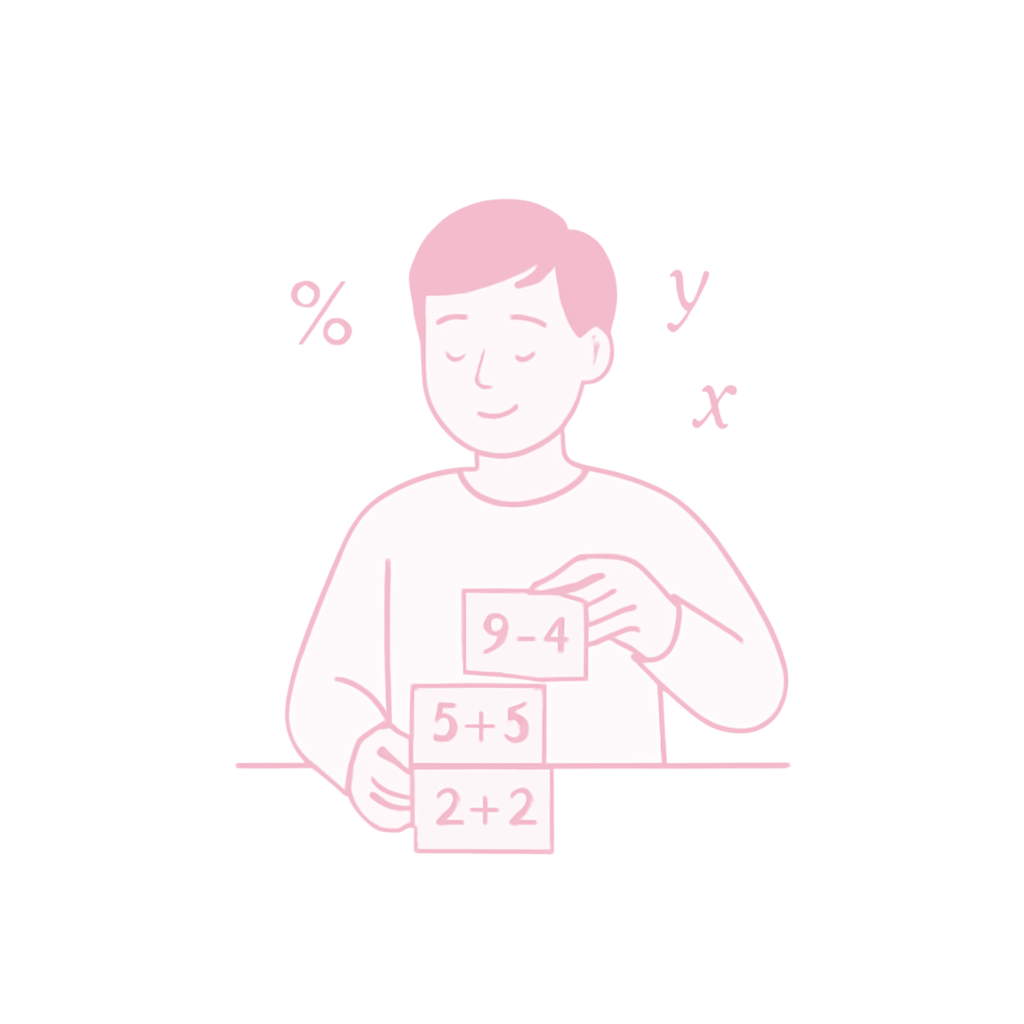
To learn math, you have to improve your basics. Many times, you think that a lot of people are doing percentages and algebra, and so do I. But if your basics are not good, then how can you understand percentages and algebra? So start from there, you understand, and you feel comfortable. If you feel that the simplest question is difficult for you, then start from there; don’t be ashamed of it. When you start understanding little things, then big questions will also be solved easily one day.
The biggest mistake is to remember instead of understanding.
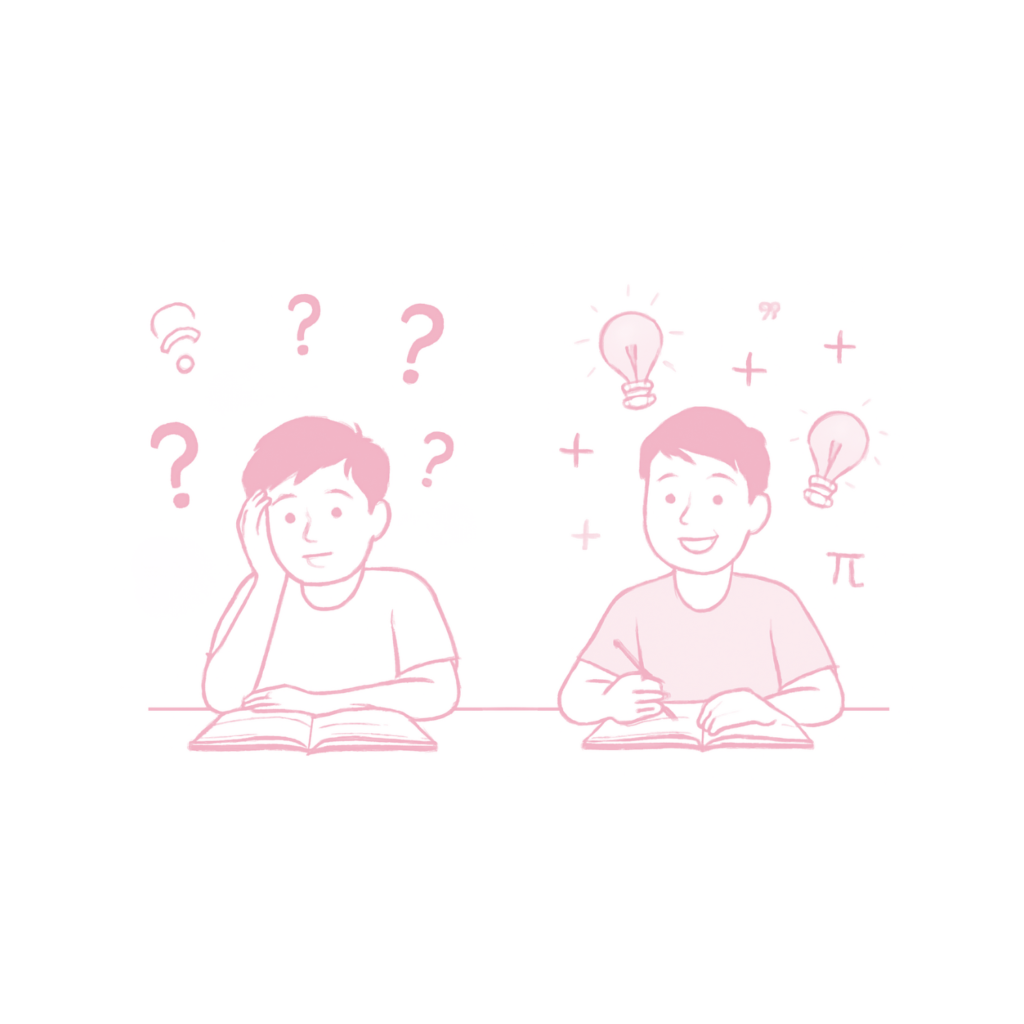
Many of our students try to remember math, for example, “this formula is for this question” or “write something similar, like this, and I’ll get good marks on the exam,” but math is not a poem that we rote to write. This is the type of subject that we learn from thinking, understanding, and logic. When you start understanding the reason, then the question may change, and the number may change, but the technique will be the same. And this is the real understanding.
Math is not only in books but also in life.

Many times, we think that math doesn’t matter in real life. But just think about it: when you purchase something in the market and the shopkeeper says, “It is one hundred rupees per KG,” and you say, “I want 2.5 KG,” then you immediately start calculations in your mind. When you have to save your 2GB data, save your EMI, or understand any discount, we need math. When we start feeling that math is in our daily life, then it becomes essential rather than boring.
Study a little every day, but honestly,
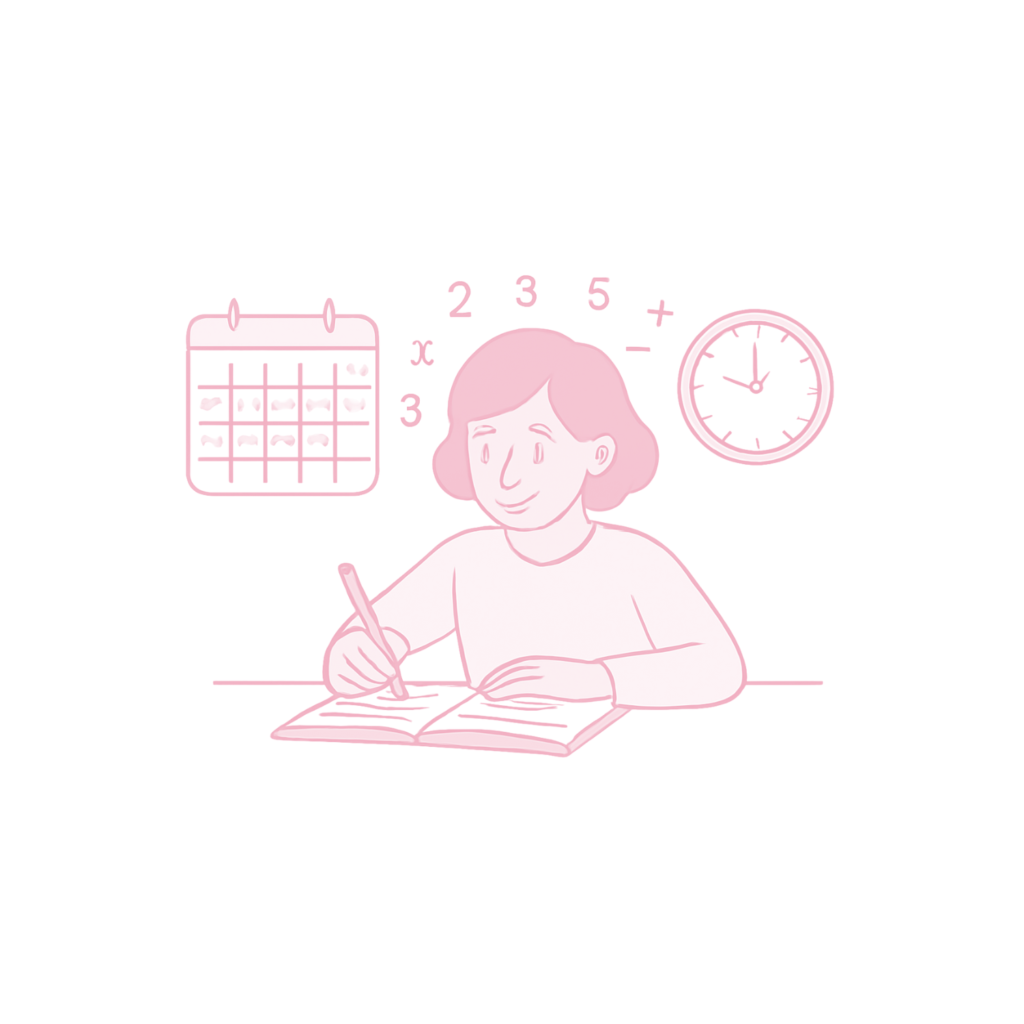
Math is not a subject that we can learn in just one day. Even if it’s difficult to learn in two hours after studying. So the best technique is to practice every day for 20 to 30 minutes, honestly. Solve one question today, solve two questions tomorrow, and solve three questions in 3 days, and your brain will start playing with numbers gradually. Practice is the only weapon with which you can defeat this fear. If you do a little every day, then you will feel a difference in a month.
Get help from videos, games, and mobile apps.

If reading from books seems heavy, then in today’s world, you have a lot of options. On YouTube, there are a lot of channels in Hindi that teach math in easy language. Some apps are like games where you learn while playing; for example, Doubtnut, Khan Academy, or math tricks in Hindi. These are all free and useful. When learning techniques are joyful, then understanding and paying attention to studies becomes easy.
Remove fear and give place to thinking.
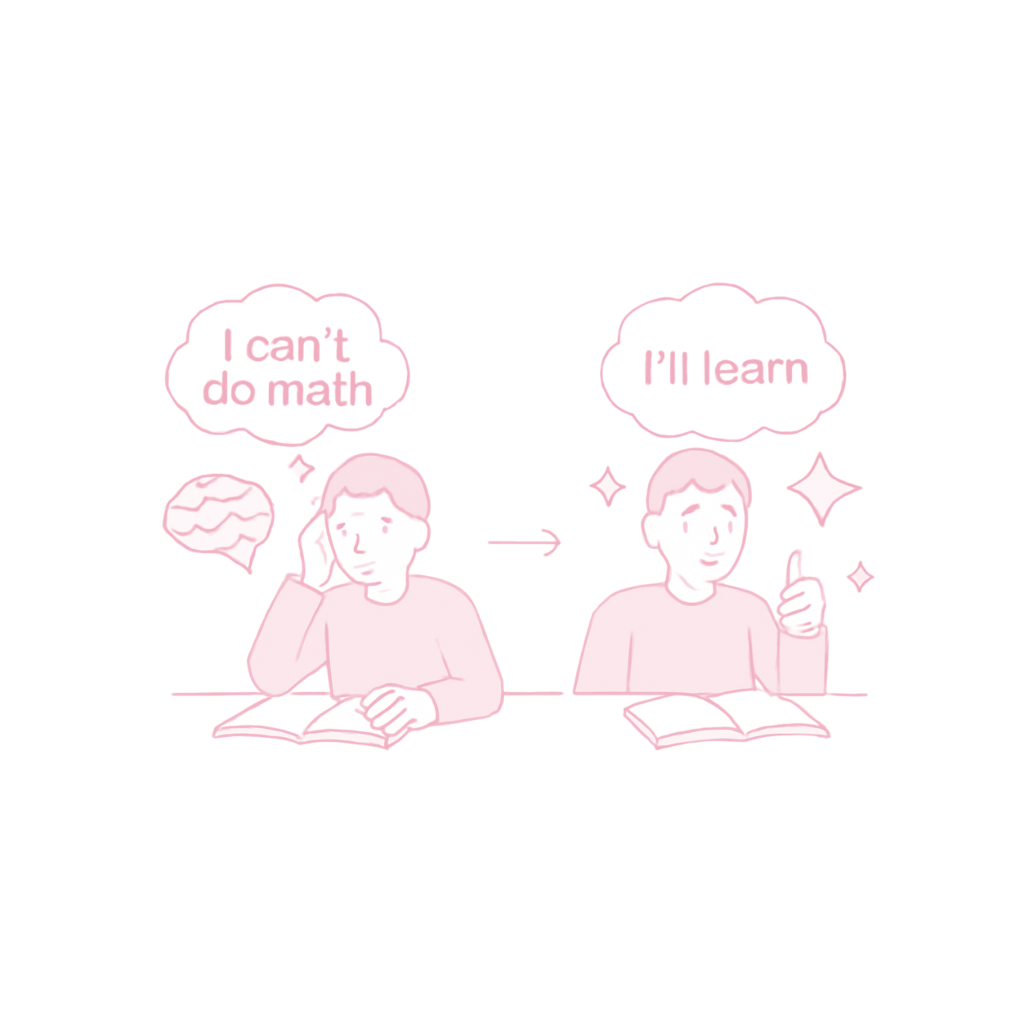
If you had ever said, “I can’t do math,” then change it and say, “I don’t know math right now, but I’ll learn.” As you change your thinking, your learning technique will automatically change. Don’t see math as a problem; rather, see it as a brain game. Mistakes will happen, but they will teach you. You have to be wrong first to be right.
Don’t run away from math; walk slowly.

Lastly, I’ll just tell you that hating math is not your fault, but if you stick with this thinking, then you can’t take joy in this subject. Start from there, think it’s easy, and keep going until the difficult seems easy.
Read This Post Also: The Secret to Learning More While Studying Less
Source: Oxford Learning